Bedroom Air Purifiers: The Quiet-Operation Checklist
A bedroom purifier fails if you can hear it. Before comparing filters, work through this spec checklist — noise figures, coverage fine print, and the maintenance math.
Bedroom air purifiers are marketed on filtration, but they are chosen on acoustics. A unit that cleans beautifully at 50 dB is a unit you will switch off at midnight — which makes its published clean-air delivery rate irrelevant to your actual air. This checklist runs in the order that should decide your purchase.
The checklist
1. Start with the published sleep-mode noise figure. Manufacturers publish decibel levels per fan mode. For a sleeping room, look for a published low mode in the mid-20s dB class; anything louder belongs in a living room. Compare sleep modes, not max modes, across models.
2. Read the coverage claim’s fine print. Published coverage numbers (square feet) are often quoted for a lower air-changes-per-hour standard than a bedroom needs for all-night filtration. The honest number is usually in the manual’s detailed table, not the product page headline. Size conservatively.
3. Check the filtration stages against your actual problem. Published filter specs matter most for particulates (a HEPA-grade main filter is the published standard for that job). For odors, the published activated-carbon quantity matters — thin carbon meshes do little.
4. Do the maintenance math before buying. Filters are subscription products in disguise. Published replacement intervals and filter prices vary widely; a cheap purifier with an aggressive filter schedule is not cheap.
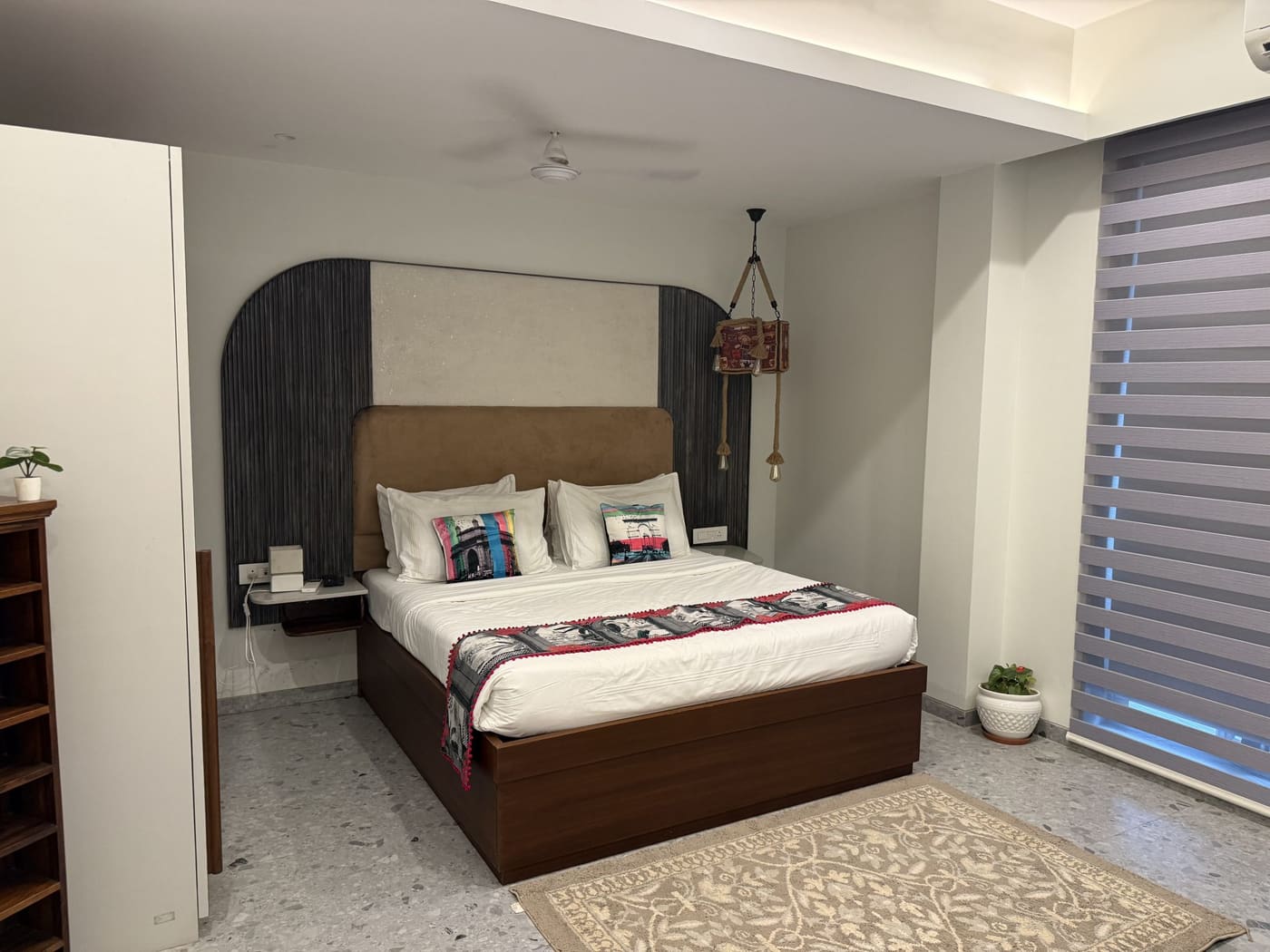
5. Verify the footprint fits the nightstand. Published dimensions decide whether this lives beside your bed or gets exiled to a corner — and a corner placement weakens the airflow pattern it was designed for.
Short verdict
For a quiet-first bedroom pick, the Levoit Core 300S class fits the brief: published three-stage filtration with a HEPA-grade main filter, a sleep mode in the published ~24–36 dB class, and a compact published footprint. Its coverage claim depends on fan mode — the manual’s table is the authority, and you should verify the current published number for your room size.
Who should skip a purifier entirely
- Your problem is humidity or temperature. Published filtration specs do nothing for either; you want a dehumidifier or HVAC attention, not a purifier.
- Your issue is episodic (cooking smoke, pollen spikes). A window and a range hood solve more per dollar in those scenarios.
The honest tradeoff
Quiet units move less air at their lowest setting — physics, not a flaw. The published CADR at sleep mode is always lower than the headline number. Decide whether your priority is all-night quiet or faster whole-room cycling, then buy for that mode’s published figures.
All specifications referenced here come from the manufacturer’s published documentation, last checked 2026-09-15. Published figures change between hardware revisions; verify against the current manual.
FAQ
Do I need smart features? Schedules help a bedroom purifier run loud before you arrive and quiet while you sleep — the one app feature with a real payoff. Everything else is optional.
Where should the unit sit? Near the bed, with clearance per the manual’s published placement guidance; blocked intakes cut effective performance regardless of the spec sheet.
Best for quiet bedroom operation
Levoit Core 300S Smart Air Purifier
- 3-stage filtration including HEPA-grade main filter (published specification)
- Sleep mode at a published ~24–36 dB class low noise level
- Compact 8.7-inch diameter footprint (published dimensions)
Verdict: A sensible bedroom-first purifier based on its published noise and filtration specs.
Tradeoff: Check the fine-print coverage number for your room size before buying.
Check current priceSpecs from the manufacturer's published documentation · last checked 2026-09-15.