Blackout Curtains: Published Opacity Claims and the Light-Leak Test
"Blackout" publishes differently from "room-darkening." Weave, liner, and the light leaks around edges decide whether you sleep past sunrise.
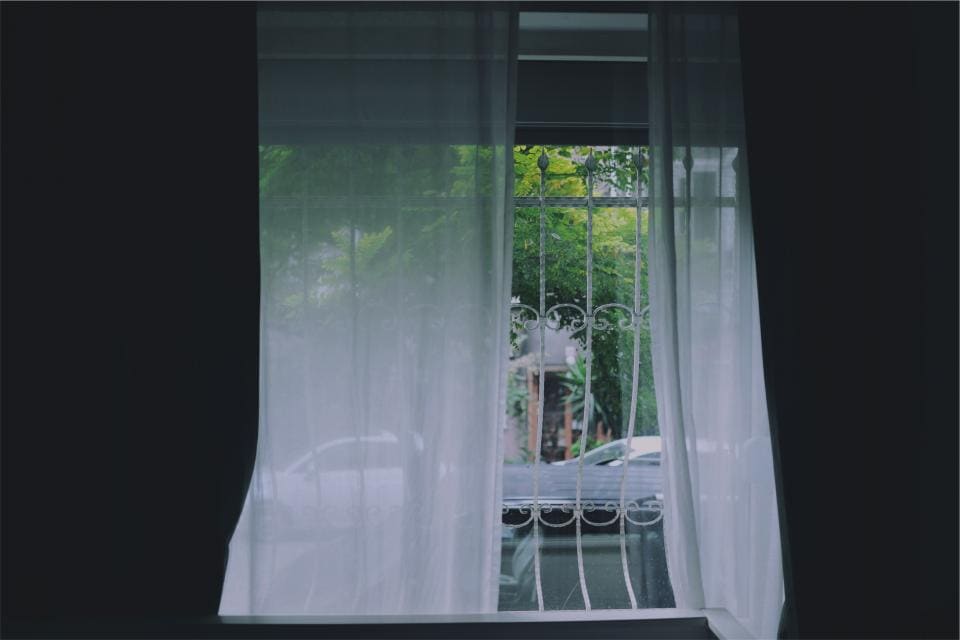
Blackout is a published spectrum, not a switch. Fabric opacity percentages, liner construction, and — most ignored — the light leaking around published panel edges decide real-world darkness.
Short verdict
- Published true blackout weaves (triple-woven or lined) block nearly all light through the fabric; “room-darkening” published labels admit some pass-through.
- Edge leaks are the real battle: published wider panels and outside-mount rods beat fabric opacity alone.
The shortlist
Triple-weave blackout panels, 2× width (generic published class)
Best value true blackout.
- Published triple-weave fabric construction
- Published thermal layer that doubles as draft insulation
- Machine-washable published care (verify per listing)
- Wide published size range for outside mounts
Best for: Bedrooms fighting streetlight and sunrise; nurseries with nap schedules.
Why this category is different
The published installation matters as much as fabric: mounting published rods 3–4 inches beyond frames and close to walls shades the edges where light sneaks. A perfect fabric with a lazy rod still glows.
Who should skip this entirely
- Design-first rooms where blackout published liners’ texture offends — lined drapes cost more and look better.
- Rooms needing only dimming; published room-darkening panels cost less and read softer.
The honest tradeoffs
True published blackout trades texture and drape for darkness. Thermal published benefits are real but modest — buy for sleep, not insulation.
FAQ
Do blackout curtains block heat?
Published thermal claims are secondary but measurable; expect modest summer and winter published reductions.
Why is light seeping around the sides?
Edges, not fabric — published mounting guidance (wider rod, close to wall, wrap-around published rods) fixes what fabric cannot.