Closet Organizer Systems: Modular, Kit, or Custom — Read the Published Dimensions
Closet systems sell dreams in particleboard. Published depth, hanging heights, and adjustability separate systems that fit clothes from systems that fit showrooms.
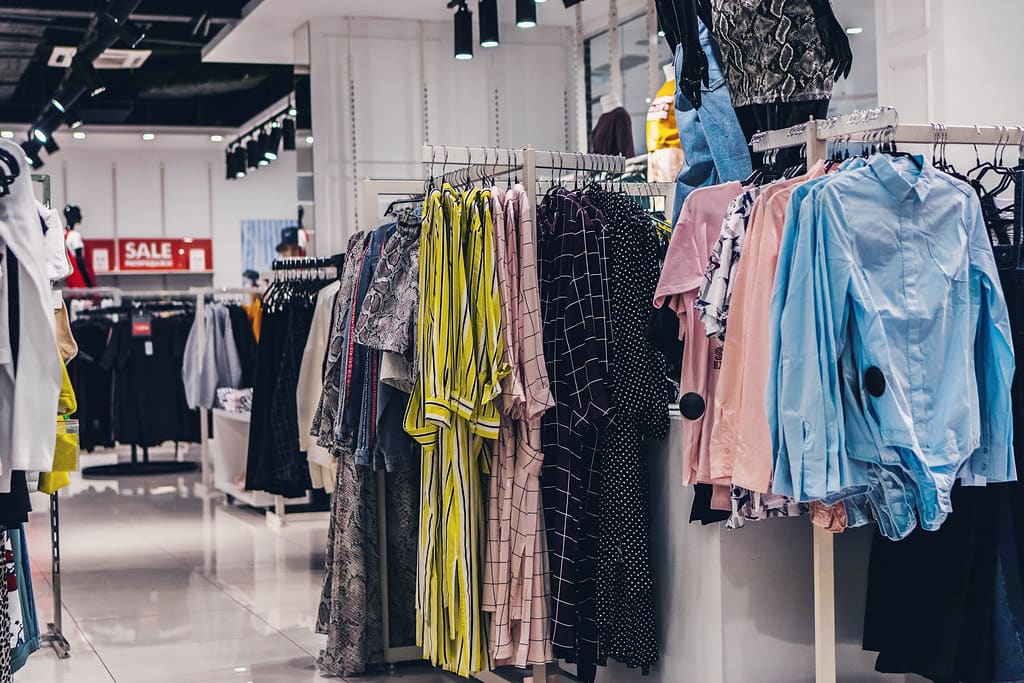
Closet systems fail when purchased for the photo, not the wardrobe. Published tower depths, hanging heights, and shelf adjustability decide whether your actual clothes fit — long dresses included.
Short verdict
- Published double-hang rows (two 40-inch rods) triple capacity for shirts and folded pants — the single highest-value configuration.
- Published 14-inch depth towers fit folded clothes; shallower published depths shovel sweaters onto the floor.
Pick by scenario
- Mostly hanging clothes, few folds: Published double-hang modules — Shirts and trousers in stacked published rows use vertical space clothes stores use.
- Sweater, jeans, and bag collections: Published adjustable-shelf towers — Published adjustable spacing adapts seasonally — hooks and shelves move as habits do.
- Shared closets: Modular published units split by user — Each half-configures independently; published adjustability ends territorial wars.
What not to overpay for
- Custom built-ins for rented walls and evolving wardrobes.
- Published “shoe walls” sized for one pair per cubby when most shoes stack two-high.
The honest tradeoffs
Kit systems trade perfect fit for price and move-ability; custom trades money for permanence. Published modular adjustability is the middle path most real closets want.
FAQ
What hanging heights do I need?
Published conventions: 40 inches for shirts and folded pants, 60+ for dresses and gowns — measure yours.
Do drawers belong in closets?
Published drawer modules help socks and delicates, but open published shelves keep daily clothing visible and worn.