Buying Guides
Curtain Lengths: The Measuring Rules That Separate Tailored From Rented
Published rod heights, break lengths, and stack-back widths — the measuring math that makes ready-made curtains look custom.
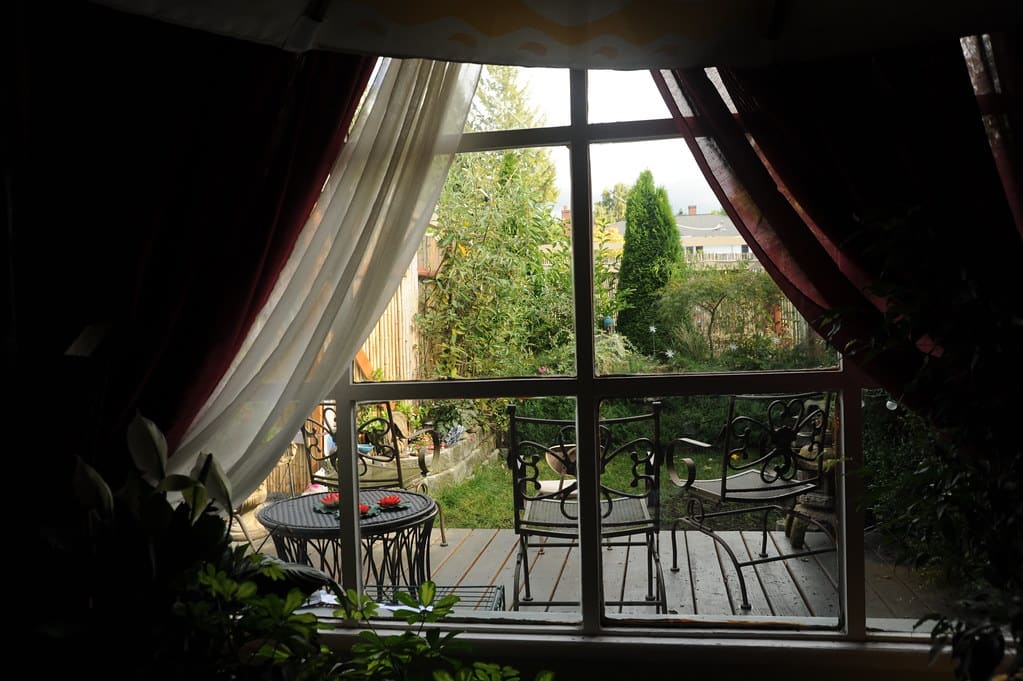
Curtains are the rare purchase where the room is measured, not the window. Published rod-height conventions, break styles, and stack-back math turn standard store lengths into something that looks tailored.
Bottom line first
- Mount the published-rod standard 4–6 inches above the frame (or halfway to the ceiling); height reads as luxury.
- For a relaxed look, published half-break length kisses the floor; exact-hover looks formal, pooling looks romantic — all three are legitimate.
Which one is for you
- Standard 8-foot ceilings: Published 84 or 96-inch panels, rod mounted high — The extra height stretches the wall visually; published lengths then touch or hover.
- Panoramic windows and sliders: Extra-wide published panels or doubles — Published stack-back math (fabric width ≈ 2× window width) keeps open panels from blocking glass.
- Renters avoiding drills: Published tension rods within measured spans — Honest about weight limits — published tension ratings suit curtains, not blackouts.
What not to overpay for
- Custom lengths before trying published half-size tricks with rings and clips.
- Heavy ornate rods for light published fabrics — the rod should match the fabric’s published weight class.
What every option gives up
Longer panels trade floor-dust exposure for drama. Published grommet tops slide easily but stack bulky; rod-pocket looks soft but fights daily drawing.
FAQ
How wide should panels be?
Published fullness guidance suggests 2× the measured window width for a natural drape.
Do curtains touch the floor?
A published half-break is the safe default; puddling is a style choice with a dusting schedule attached.