Dutch Ovens: The Published Specs That Predict a Lifetime of Braises
Wall thickness, enamel type, and oven-safe temperatures are all published — and they separate a generational pot from a chipped disappointment.
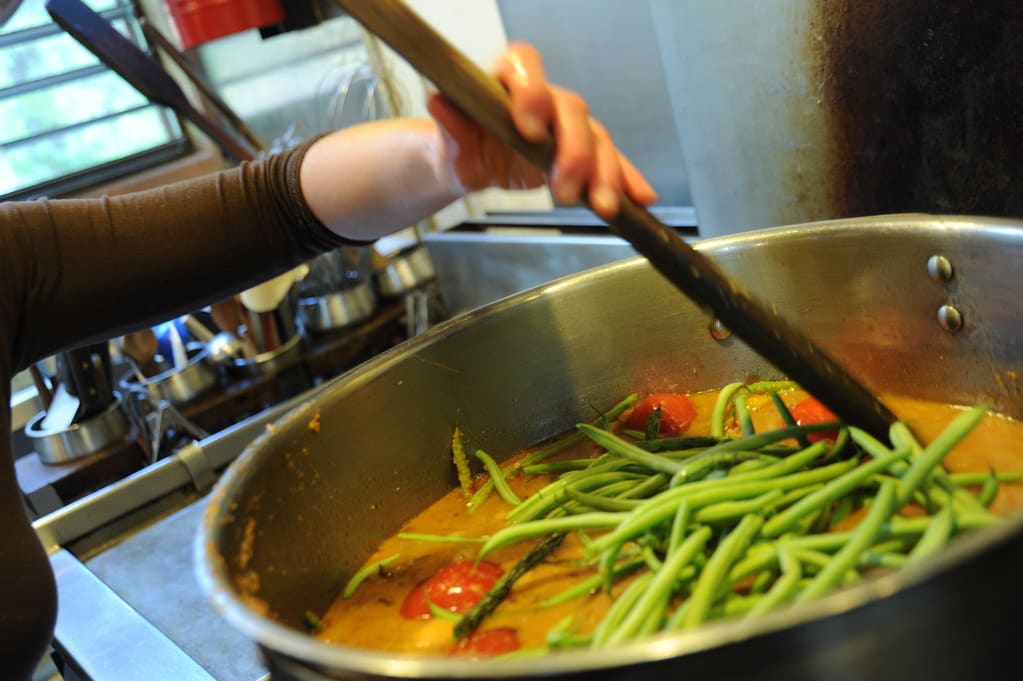
Dutch ovens look interchangeable until you compare published oven-safe temperatures, enamel descriptions, and weight. Those three lines in the spec sheet predict how the pot handles searing, braising, and years of thermal cycling.
Bottom line first
- Published oven-safe temperature of 500°F (260°C) or higher gives you sear-then-braise freedom without switching vessels.
- A published enamel over cast iron build is the low-maintenance pick; bare cast iron is cheaper but needs seasoning discipline.
Which one is for you
- Weekend braises and bread baking: 5.5–7 qt enameled cast iron — Published dimensions fit a standard chicken or loaf; the mass holds oven heat steadily.
- Small stoves and light cabinets: 4–5 qt lighter-weight builds — Published weights vary by two full kilograms across brands — your wrists notice.
- Campfire and stovetop dual use: Bare cast iron with published high-heat rating — No enamel to scorch; published heat tolerances exceed any home burner.
What not to overpay for
- Interior colors and limited-edition enamels; published performance is identical.
- Accessory bundles of trivets and protectors that duplicate a folded towel.
What every option gives up
Enamel trades durability-under-abuse for easy cleanup. Chips in published enamel are not covered by most warranties once you can see the iron.
FAQ
Are knob materials a real limit?
Yes — many manufacturers publish a lower oven-safe temperature when the factory knob is fitted; metal knobs raise the published limit.
Does a heavier pot braise better?
Published mass correlates with heat retention; the practical difference shows in oven recovery after stirring.