Rug Sizes, Decoded: The Published Layout Rules for Every Room
An undersized rug makes a room feel rental. Published sizing conventions for sofas, beds, and dining tables fix the most common decorating mistake.
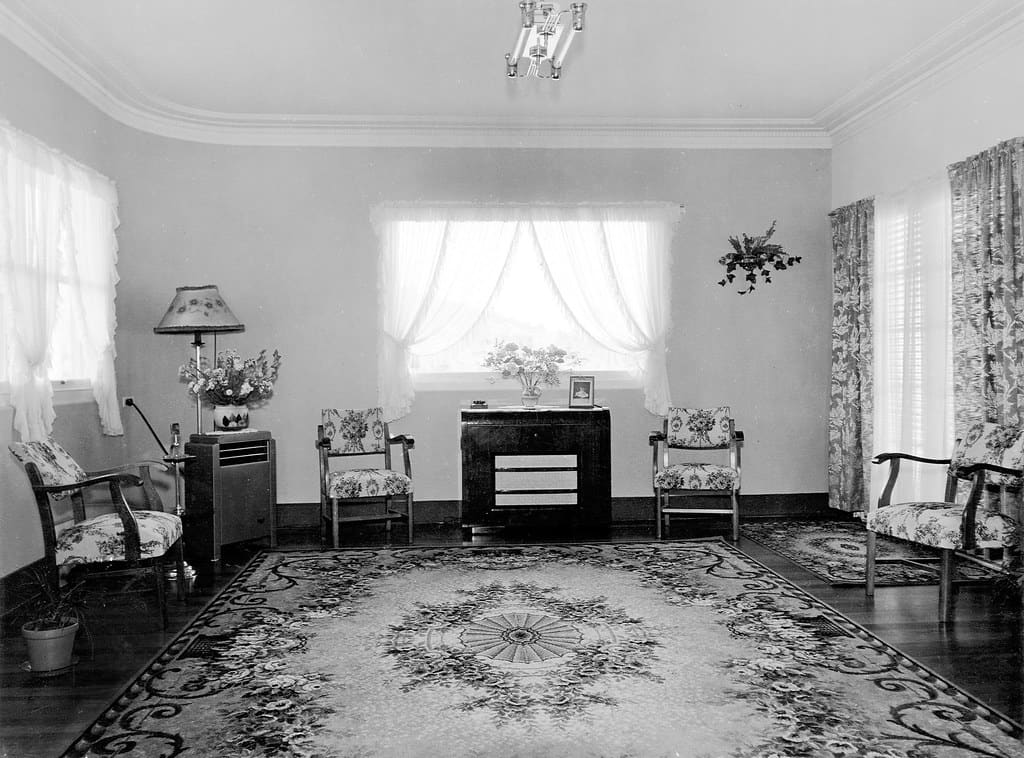
Rug regret is almost always a size regret. The published layout conventions interior designers use are simple fractions — front legs on, 24-inch borders, two-thirds under the bed — and they are the difference between anchored and adrift.
Short verdict
- Living rooms: published rule of front legs of all seating on the rug, or all legs with a 24-inch border.
- Dining rooms: the rug must extend published 24 inches beyond the table on all sides so chairs stay on the rug when pulled.
Pick by scenario
- Compact living room: Published 5×8 with front legs on — Anchors the seating zone without demanding furniture rearrangement.
- Queen bed, standard bedroom: Published 8×10 or runners at the sides — Two-thirds under the bed keeps published rules while leaving nightstands on the floor.
- Open-plan spaces: Published 9×12 zone definition — Large published rugs carve rooms visually where walls are absent.
What not to overpay for
- Natural-fiber premiums in dining rooms where published stain realities bite.
- Pads that are not published non-slip; the pad matters more than the rug for longevity and safety.
The honest tradeoffs
Bigger rugs cost exponentially more but are the single published dimension that cannot be faked. When budgets bite, size up in plainness before size down in pattern.
FAQ
Can a rug be too big?
Yes — published guidance leaves 12–18 inches of bare floor at room edges; beyond that the room reads wall-to-wall.
Do runners work in hallways?
Published convention: leave 4–5 inches of floor visible on each side.