Sofa Cushion Fills Compared: Foam Density, Feather Wraps, and Sag Math
Published foam density ratings and fill blends predict whether your sofa cushions look great in year five or need a flip in month five.
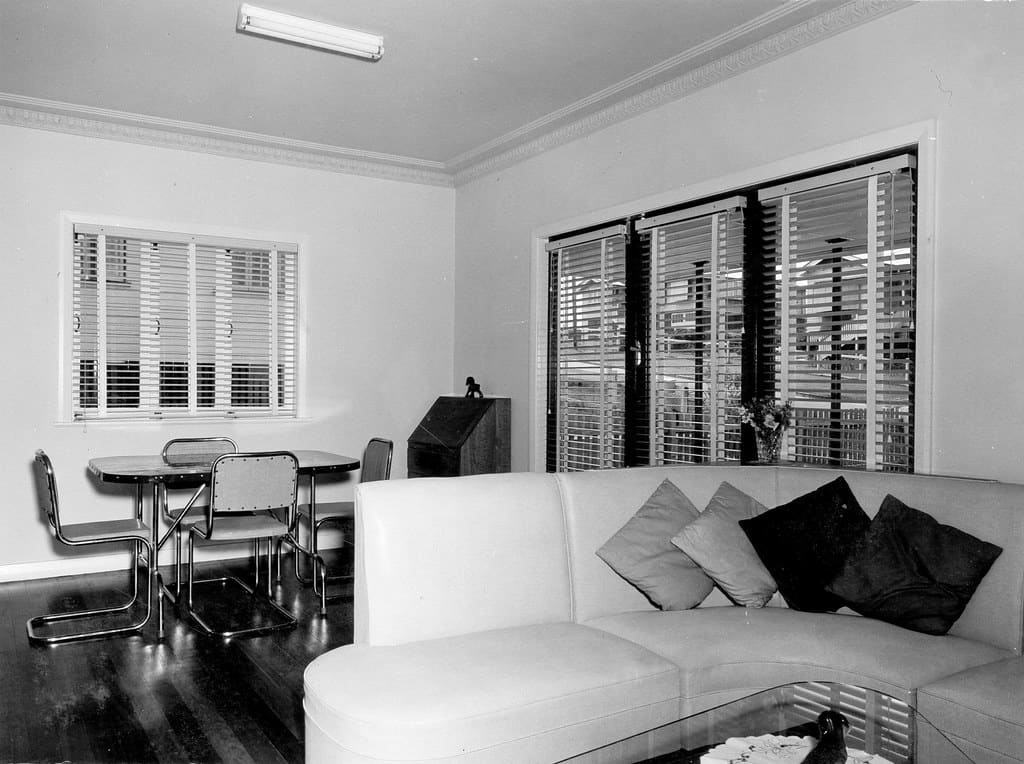
Sofa salesmen sell frames; sofa regret lives in cushions. Published density numbers and fill-blend descriptions tell you exactly how a seat will age — if you know what the numbers mean.
The quick verdict
- Published high-resilient foam at 1.8+ density is the durability floor for seats you use daily.
- Published feather-wrapped foam blends comfort and structure; all-feather needs daily fluffing, all-foam reads firm.
Winner by scenario
- Daily family sofa, kids and pets: Published 1.8–2.5 density foam cores — Density is the published predictor of sag resistance; covers are replaceable, cores are not.
- Reading nook, weekend lounging: Feather-and-down published blends — The sink-in feel is the point, and low usage makes published fluffing tolerable.
- Guest bed doubles: Published foam-fiber hybrid cores — Fiber layers soften the top while foam limits bottoming-out for sleepers.
What not to overpay for
- Memory-foam seat cushions — published for pressure relief, not for high-traffic seating recovery.
- Extended warranties whose published exclusions exclude exactly the sagging you fear.
The tradeoff, stated plainly
Every published fill trades something: foam trades softness for structure, feather trades structure for luxury, fiber trades longevity for price. Rotate and flip per the manufacturer’s published care card regardless.
FAQ
Can sagging cushions be fixed?
Often yes — published replacement cores and foam inserts are standard sizes for most brands.
Is higher density firmer?
Not necessarily; published density measures mass, published ILD measures firmness. Ask for both.